


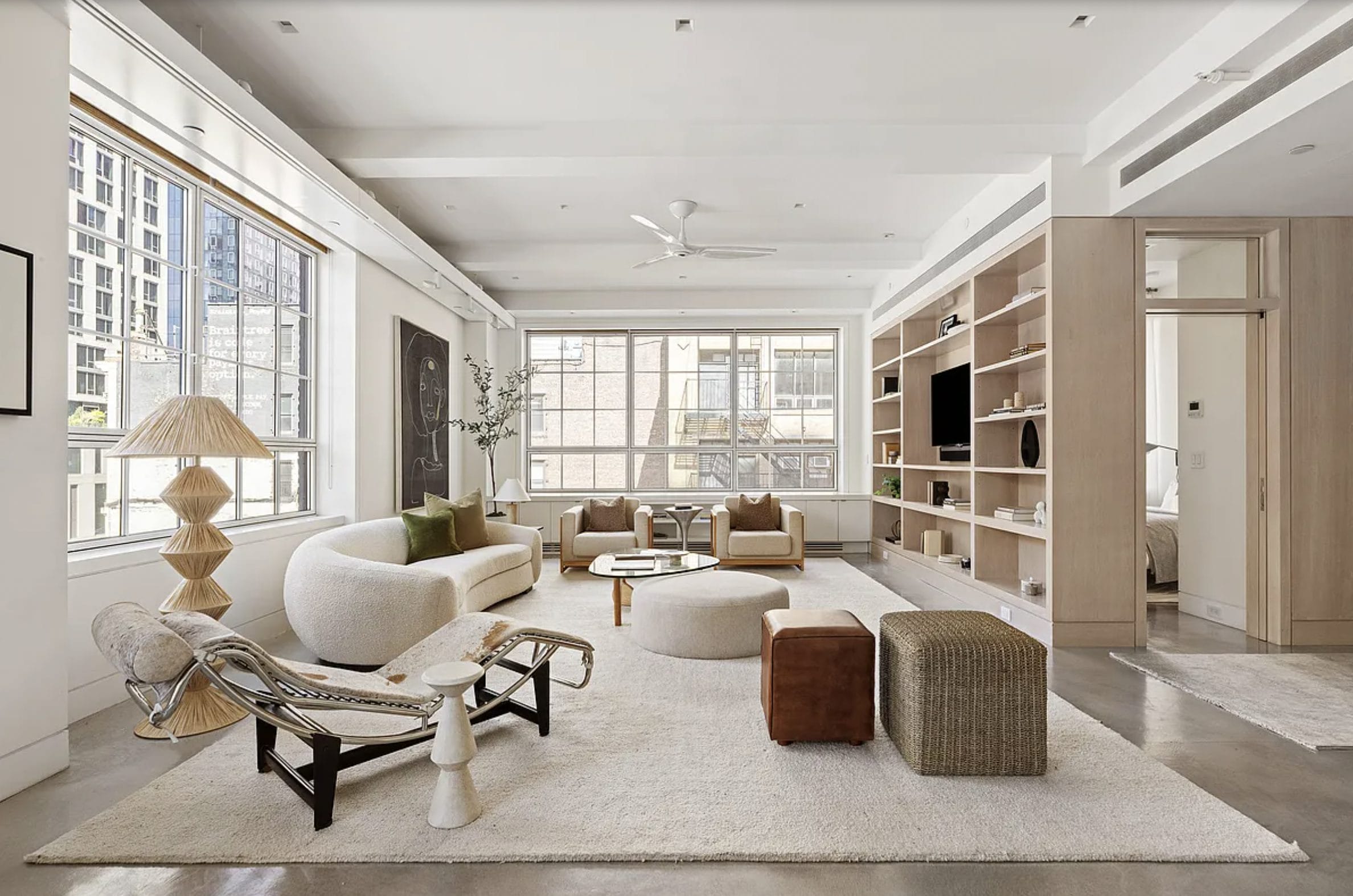
The world of interior design is evolving quickly, and 2026 home styling trends are expected to focus more on comfort, sustainability, functionality, and personal expression. Homeowners are no longer interested in spaces that only look beautiful—they want interiors that feel practical, calming, and deeply connected to modern lifestyles. Experts believe the future of home interiors will combine smart technology, eco-conscious materials, and timeless aesthetics to create balanced living environments. From natural textures to multifunctional layouts, the latest home styling policies are shaping how people decorate and experience their homes in 2026.
Sustainable Materials Will Shape Modern Interiors
Eco-Friendly Furniture Choices
Sustainability is becoming one of the biggest priorities in modern interior design. Experts predict that eco-friendly furniture made from recycled wood, bamboo, and responsibly sourced materials will dominate 2026 interiors. Homeowners are increasingly looking for long-lasting pieces that reduce environmental impact while maintaining a stylish appearance. This shift is encouraging brands to focus on ethical manufacturing and durable craftsmanship rather than fast furniture trends.
Natural Textures and Organic Finishes
Interior styling in 2026 will heavily feature natural textures such as stone, linen, clay, cotton, and raw wood finishes. These materials create warm and calming spaces that feel more connected to nature. Designers believe organic finishes help improve the emotional comfort of a home while also adding timeless beauty. Soft earthy tones combined with textured décor will continue gaining popularity in living rooms, bedrooms, and kitchens.
Energy-Efficient Home Design
Energy-efficient styling policies are also expected to influence modern interiors. Smart lighting systems, energy-saving appliances, and large natural-light layouts will become standard features in stylish homes. Experts say homeowners are prioritizing lower energy consumption without sacrificing comfort or luxury. This design direction supports both environmental responsibility and long-term cost savings.
Comfort-Focused Spaces Will Define 2026 Homes
Cozy Minimalist Living Rooms
Minimalism is evolving into a softer and more inviting style. Instead of cold and empty spaces, cozy minimalism focuses on comfort, warmth, and functionality. Designers expect homeowners to choose oversized sofas, layered fabrics, and neutral color palettes that create relaxing environments. This modern approach keeps interiors clean while still feeling personal and welcoming.
Multifunctional Home Layouts
As remote work and flexible lifestyles continue growing, multifunctional spaces are becoming essential. Experts believe 2026 interiors will prioritize rooms that serve multiple purposes, such as home offices combined with guest bedrooms or dining spaces with built-in storage. Smart furniture and adaptable layouts will help homeowners maximize both comfort and efficiency in smaller spaces.
Wellness-Inspired Interior Styling
Wellness-focused interiors are expected to become a major design movement in 2026. People want homes that support mental health, relaxation, and overall well-being. Designers are incorporating calming colors, indoor plants, soft lighting, and clutter-free layouts to create peaceful living spaces. The goal is to make the home feel like a personal retreat from everyday stress.
Personalized Design Will Replace Generic Trends
Statement Décor With Personal Meaning
Experts say homeowners are moving away from copy-paste interiors and focusing more on personal expression. In 2026, statement décor pieces with emotional or cultural value will become increasingly popular. Vintage furniture, handmade accessories, and meaningful artwork help create interiors that feel authentic rather than overly styled. Personalization is becoming more important than following temporary trends.
Bold Accent Colors and Artistic Details
While neutral palettes will remain popular, bold accent colors are expected to add personality to modern interiors. Deep greens, terracotta shades, navy blue, and warm burgundy tones are predicted to appear in furniture, walls, and decorative accessories. Artistic details such as sculptural lighting and textured wall designs will also help homeowners create visually unique spaces.
Smart Technology Integrated Seamlessly
Technology will continue influencing interior styling, but experts predict a more seamless integration in 2026 homes. Smart home devices will become less visible and more design-friendly. Hidden charging stations, voice-controlled lighting, and automated climate systems will blend naturally into interior aesthetics. This approach allows homeowners to enjoy convenience without disrupting the visual harmony of their spaces.
FAQs
1. What are the top home interior trends for 2026?
Sustainable materials, cozy minimalism, wellness-focused spaces, and personalized décor are expected to dominate 2026 interiors.
2. Why is sustainable interior design becoming popular?
Homeowners are prioritizing eco-friendly living, durable furniture, and energy-efficient spaces to reduce environmental impact.
3. What colors will trend in 2026 interiors?
Earthy neutrals, deep green, terracotta, navy blue, and warm burgundy are predicted to trend in modern homes.
4. How will smart technology affect home styling?
Smart technology will be integrated more seamlessly into interiors through hidden and design-friendly features.
5. What is cozy minimalism in interior design?
Cozy minimalism combines clean layouts with warm textures, soft colors, and comfortable furniture for a relaxing atmosphere.
Conclusion
The future of home interiors in 2026 will focus on creating spaces that are sustainable, functional, comfortable, and highly personalized. Experts believe homeowners are moving toward designs that improve daily living while reflecting individual style and values. From eco-friendly materials to wellness-inspired layouts and seamless smart technology, the next generation of interior styling trends is centered around balance and authenticity. As these home styling policies continue shaping modern interiors, homeowners will have more opportunities to design spaces that feel both timeless and practical.
