


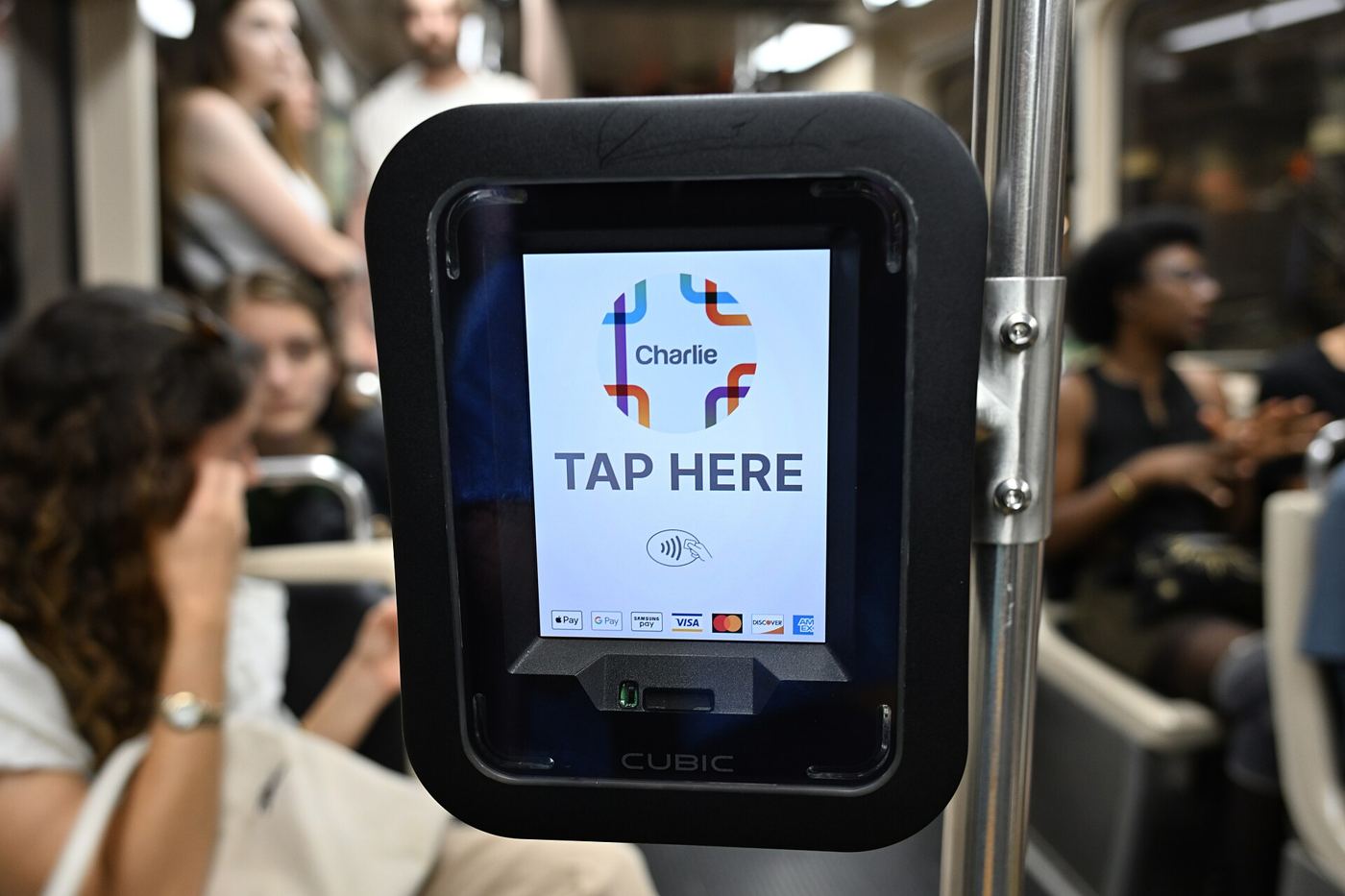
The wallet in most pockets is now a phone. Digital wallets such as Apple Pay, Google Pay and Samsung Pay store card details on a phone or watch, and a tap or a fingerprint completes the payment. The technology behind them is tokenisation: the merchant never sees the real card number, only a one-time code that is useless if stolen. That makes a phone payment safer than handing over a physical card in many situations. Wallets are accepted in shops, in apps, on websites and on public transport, and in many countries contactless payment is now the default for small purchases. The same wallet can also hold boarding passes, concert tickets, loyalty cards and, in some places, a driving licence or identity document. Cash is still used, but for a growing number of people the phone has become the main way to pay.
What the Evidence Shows
The convenience comes with habits worth watching. Paying with a phone feels less real than handing over notes, and studies of spending behaviour consistently show that people spend more freely when the payment is invisible. A lost or stolen phone is also a bigger problem than a lost card, because it may hold several cards, tickets and personal documents at once, although a strong passcode, biometric lock and remote wipe limit the damage. Batteries matter too: a dead phone at a ticket barrier or a toll booth leaves no fallback, so keeping a physical card as backup is still sensible. Acceptance is not yet universal, especially with small traders and in rural areas. The direction of travel is clear, though. As wallets add identity documents and governments test digital identity schemes, the phone is becoming not just a way to pay, but the place where a person’s financial and official life is carried. Reporting and analysis from sources such as International Monetary Fund track the same developments, and specialists following digital wallets payments say the direction is now consistent across independent lines of evidence.
The Wider Context
The wider context is a financial system repricing risk after a long era of cheap money. Decisions shaped by digital wallets payments are being made under closer supervisory attention, with stress tests and disclosure rules that assume conditions can worsen quickly. Institutions that planned for the benign case are adjusting in public, which is uncomfortable and healthy in equal measure.
What Happens Next
What happens next with digital wallets payments will be visible first in the data that professionals watch weekly: flows, spreads and the terms on new deals. Participants who spoke for this article expect a period of adjustment rather than drama, with the biggest effects landing on those who assumed the old conditions were permanent. Planning, as ever, is the cheapest hedge. You can follow related developments in our coverage of finance.
There is a practical lesson in all of this for readers deciding what to do today. Start with the verified facts, be wary of anyone promising certainty, and prefer reversible steps while the evidence is still developing. Circumstances differ by country, income and personal situation, so general guidance should always be weighed against your own context before you act on it in any significant or lasting way.
