


Artificial intelligence dominates headlines when it writes poems, passes exams or unsettles stock markets. Yet for most people, the AI that matters is not the chatbot they occasionally visit — it is the invisible layer of software making dozens of small decisions every day, usually without asking or announcing itself. By the time you have checked your phone this morning, AI systems have probably filtered your email, unlocked your device with your face, ordered your notifications and predicted which apps you would open.
At News Them we have mapped the quiet uses already embedded in daily life. Together they explain why the technology feels simultaneously revolutionary and strangely ordinary: the revolution arrived one small convenience at a time.
The Invisible Layer in Your Pocket
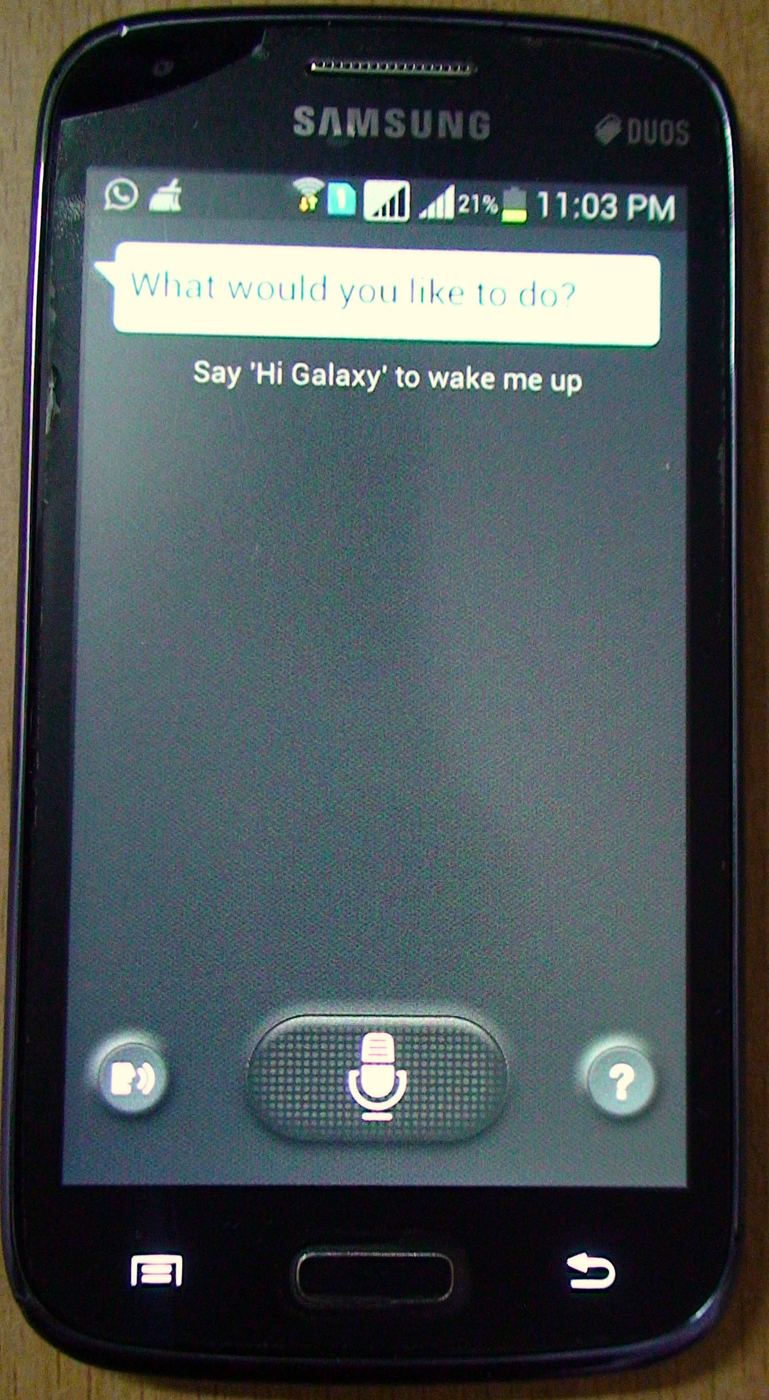
Start with email. Spam filters are machine learning systems trained on billions of messages, and they are the reason your inbox is usable at all. Photo apps use image recognition to find “that picture of the dog at the beach” from a typed description, grouping faces and scenes automatically. Voice assistants convert speech to text, interpret intent and answer — imperfectly, but well enough to set timers and dictate messages hands-free.
Predictive text and autocorrect are language models, albeit small ones. Translation apps break down language barriers in real time. Even your phone’s battery life is managed by software that learns your routine and throttles the apps you rarely use. None of this required a press conference. Coverage from BBC Technology has tracked how these features steadily migrated from research labs into default settings.
At Home and on the Move
Navigation is perhaps the most consequential quiet AI. Traffic predictions that route you around a jam are built from aggregated movement data and machine learning models that learn the rhythms of each road. Ride-hailing prices, delivery estimates and flight delay forecasts all rely on similar machinery.
At home, recommendation systems decide what you watch and hear next — the rows of suggestions on streaming services are personalised by algorithms trained on viewing patterns. Smart thermostats learn household schedules. Video doorbells distinguish, with varying reliability, between a parcel, a person and a passing cat. Meanwhile your bank runs fraud-detection models on every transaction, silently scoring whether a purchase in a new city at 3 a.m. looks like you. Most of the time, as Reuters technology coverage notes, you only notice these systems when they get it wrong. Find more daily-tech explainers in our latest coverage.
Work, Health and Money
In workplaces, AI drafts, summarises and transcribes: meeting notes write themselves, spreadsheets suggest formulas, and customer enquiries are triaged before a human sees them. In health, algorithms assist with scanning medical images, flagging patterns for clinicians to review, and power the fall detection and heart-rate alerts in consumer wearables. In agriculture — further from most daily routines but feeding them — systems guide irrigation and spot crop disease from drone images. Even recruitment now often begins with software that screens applications and ranks candidates before a recruiter reads a single line.
Living With the Quiet Machines
Quiet does not mean unimportant, and it does not mean beyond question. Recommendation systems shape what we watch and, some argue, what we believe. Automated decisions about credit, insurance or job applications can embed bias and are hard to appeal. Data collection is the fuel for nearly all of it, which is why privacy settings matter more than most people realise.
Still, the everyday story of AI is less about robots arriving than about software dissolving into the background — competent, fallible and everywhere. Understanding where it already sits in your life is the first step to judging the louder claims about where it goes next.
