


Heat is the quiet extreme. Unlike storms or floods, a heatwave leaves no dramatic wreckage for the cameras — yet hot weather kills more people in many countries than any other weather hazard, and cities bear the worst of it. Concrete, asphalt and dense buildings absorb heat by day and release it slowly at night, so urban neighbourhoods can run several degrees hotter than the countryside around them. As heatwaves grow longer and more intense, cities are having to redesign themselves for a climate their original planners never imagined.
The response, at its best, is becoming a new discipline of urban design. At News Them we have looked at the strategies cities are using — and at which ones the evidence supports.
Why Cities Run Hotter
The urban heat island effect has several causes. Dark surfaces absorb solar radiation. Waste heat pours from vehicles, air conditioners and industry. Tall buildings trap air and block cooling breezes, while the near-absence of soil and vegetation means little water evaporates to cool the air — the natural air conditioning that trees and grass provide free of charge.
The burden is unevenly shared. Poorer districts often have fewer trees, more exposed asphalt and homes that overheat, while elderly residents and outdoor workers face the highest risks. The World Health Organization identifies heat as a growing public health threat, noting that heat-related mortality among older people has risen sharply in recent decades. Reporting by The Guardian’s environment desk has documented how adaptation is becoming a standing item in city budgets. See also our latest coverage of climate and cities.
Shade, Trees and Cool Surfaces
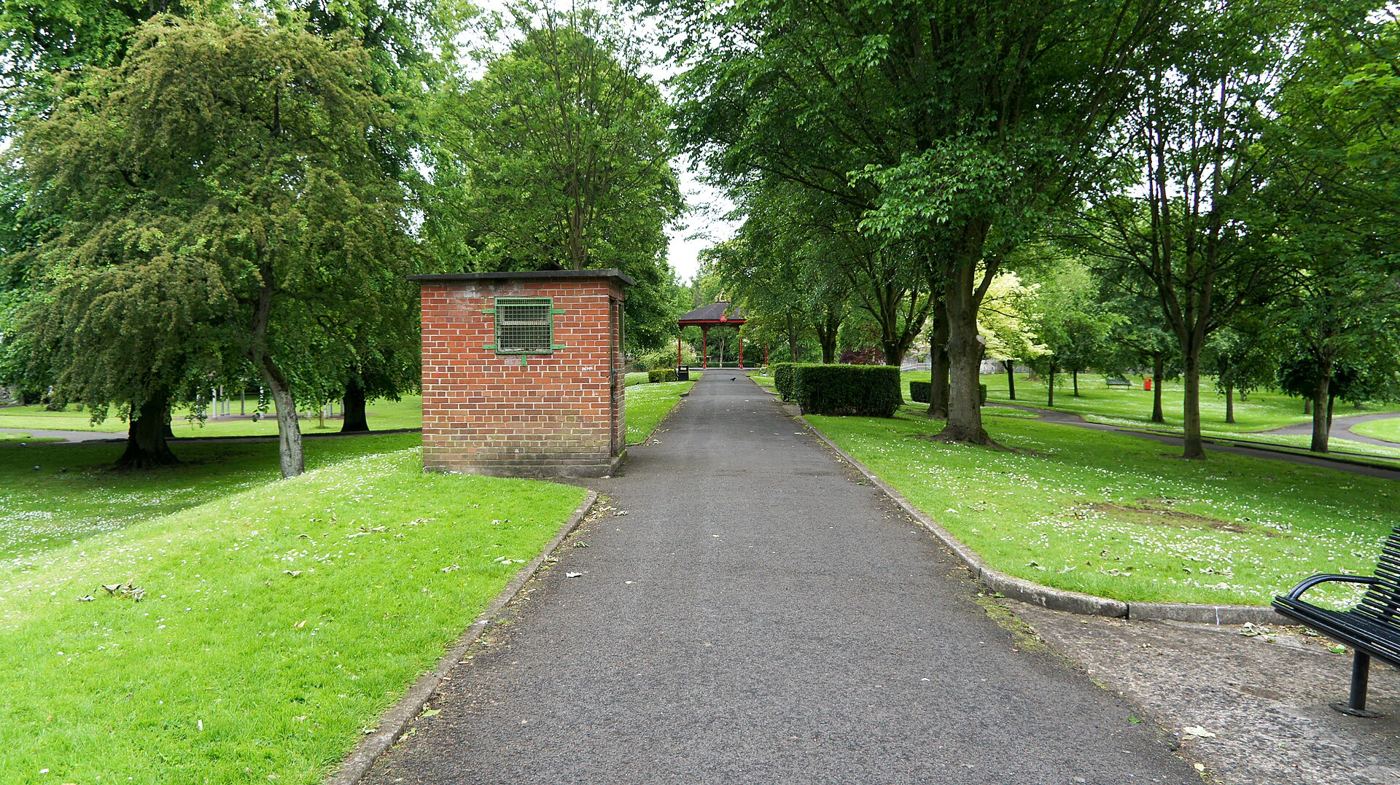
The most powerful cooling tool is also the oldest: shade. A mature street tree can lower the temperature of the pavement beneath it dramatically, and neighbourhoods with strong tree canopy are measurably cooler on summer afternoons. Cities from Melbourne to Los Angeles have mapped their canopy to target planting where heat and vulnerability overlap — though trees need water, space and years to mature, which makes them a strategy you start before you need it.
Surfaces can be redesigned too. Pale, reflective roofs and pavements bounce sunlight back instead of storing it. Green roofs insulate buildings while absorbing rainfall. Some cities have experimented with permeable paving and with “cool corridors” of vegetation guiding breezes through dense districts. Water features and restored urban wetlands add evaporative cooling, at the price of using water wisely in dry climates.
Warning Systems and Human Routines
Design takes decades; warnings save lives this summer. Effective heat-health plans combine early forecasts with practical action: opening cooled public buildings, checking on isolated elderly residents, adjusting school and work schedules, and telling people clearly when heat becomes dangerous rather than merely uncomfortable. Cities such as Ahmedabad in India pioneered formal heat action plans that are now studied worldwide, crediting them with preventing many deaths during subsequent heatwaves.
- Early warnings linked to specific local actions
- Cool refuges: libraries, community centres, shaded parks
- Rules protecting outdoor workers during peak heat
- Homes retrofitted with shutters, insulation and ventilation
Designing for the Summers Ahead
The hardest lesson is that adaptation is not a project with an end date. Each intervention — canopy targets, building codes requiring external shutters or cool roofs, planning rules that preserve ventilation corridors — locks in protection for decades. Cities that treat heat as an occasional emergency will keep being surprised by it. Those learning to live with heat are treating it as a permanent design condition, like rain or winter cold. The cities of the future are being drawn now, in the shade of trees being planted today. That long view may be the most important adaptation of all.
